Explore Tanzania
Your guide towards adventure

With its breathtaking landscapes and extraordinary wildlife, Tanzania offers more than just a trip – it offers an escape.

Discover the wonders of Tanzania through our map. Let yourself be inspired to plan your personalized adventure across this beautiful country. Click on each point to learn more about the places awaiting you on your next safari.

Arusha National Park
It is one of the smallest parks in Tanzania. Arusha National Park consists of three distinct areas: the 7 Momella Lakes, the Ngurdoto Crater, and Mount Meru.
Discover
Manyara National Park
Manyara National Park covers 330 km² and features a large saltwater lake over 50 km long. The park marks the entrance to the Rift Valley. Over 400 bird species have been recorded here.
Discover
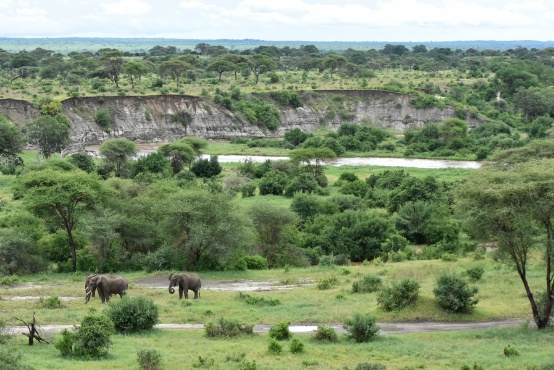
Tarangire National Park
Tarangire National Park covers 2,600 km² and has been a national park since 1970. It boasts a large concentration of wildlife, including over 4,000 elephants today.
Discover
Ngorongoro crater
The Ngorongoro Crater spans 20 km in diameter, covering an area of 260 km². It is a UNESCO World Heritage site. The crater contains both freshwater and saltwater, savannah and forest, and is home to around 100 animals per km².
Discover
Serengeti National Park
Serengeti National Park spans 14,763 km². It is one of the largest remaining African ecosystems. The wildlife is incredibly dense, and the park extends from Tanzania into Kenya.
Discover
Mount Kilimanjaro
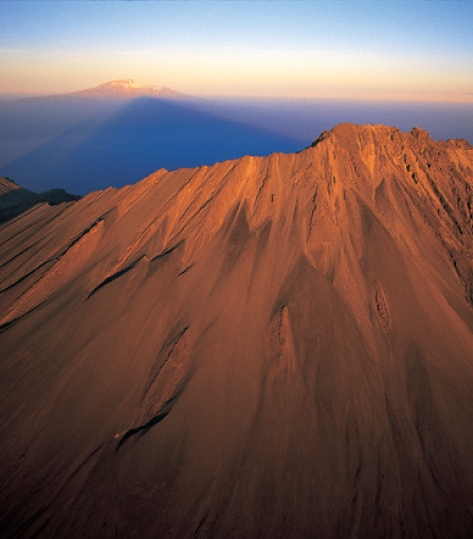
Mount Kilimanjaro is the highest peak in Africa. It consists of three extinct volcanoes: Shira (3,962 meters), Mawenzi (5,149 meters), and Kibo, which includes the Uhuru Peak (5,891 meters).
Discover
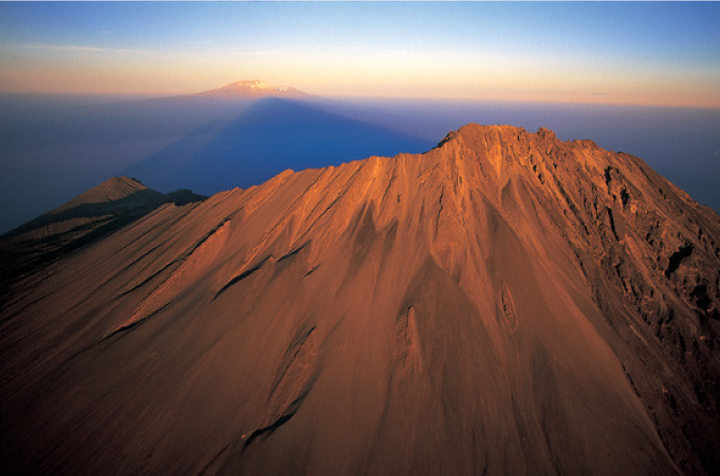
Mount Meru
Mount Meru is a volcano that rises to 4,656 meters in altitude. It is the second-highest peak in Tanzania and the fourth-highest in Africa. It overlooks the city of Arusha.
Discover
Selous-Nyerere Park
The Selous Reserve spans 55,000 km², making it the largest wildlife reserve in Africa and a UNESCO World Heritage site. It includes the Rufiji River, which divides the reserve into two parts: the northern section is dedicated to safaris, while the southern section is designated for hunting.
Discover
Ruaha National Park
Ruaha National Park covers 20,226 km² since 2008, following the annexation of Usangu. It is the second-largest park in Tanzania, featuring a significant concentration of elephants and a highly diverse vegetation.
Discover
Mahale Mountains National Park
Mahale Mountains National Park covers an area of 1,613 km². Lake Tanganyika is the least polluted freshwater lake in the world. Within this park, you can find the last wild chimpanzees in Africa.
Discover
Zanzibar
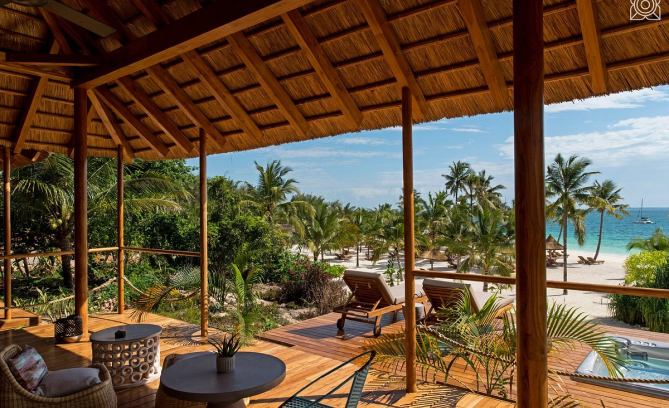
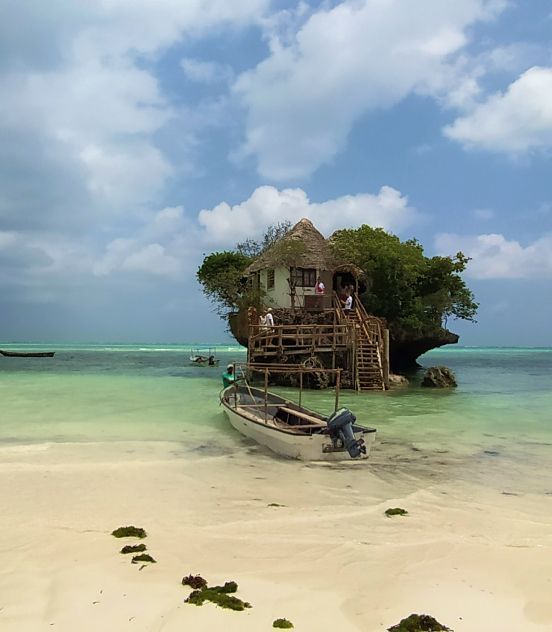
Zanzibar is known for its white sandy beaches, dolphins, and comfortable hotels. The island of Zanzibar (Unguja) covers 1,658 km². Its main city is Stone Town.
Discover
Ndutu
This region around Lake Ndutu is located in the western part of the reserve. It is here that the herds of the Great Migration gather for the birthing season, from December to March.
Discover
Saadani National Park
Located at the centre of the historic triangle of Bagamoyo, Pangani and Zanzibar, Saadani National Park is Tanzania's only seaside wildlife sanctuary.
Discover
Katavi National Park
Isolated and rarely visited, Katavi is completely untamed, offering daring souls a glimpse of what Africa was like a century ago. The park’s main highlights are the Katuma River and the Katavi and Chada lakes. The park covers an area of 4,471 km².
Discover
Rubondo Island
The park consists of 10 islands on Lake Victoria. 90% of the park is covered by tropical rainforest, with the remaining area made up of grasslands and papyrus.
Discover
Lake Natron
Lake Natron spans an area between 600 km² and 1,040 km². It is a saltwater lake with a highly alkaline composition. Its temperature can rise to 60°C.
Discover
Pemba Island
Pemba Island is the second-largest island in the Zanzibar Archipelago (984 km²). It is home to over 3.5 million clove trees. The island is also a diver’s paradise with its rich marine life and underwater flora.
Discover
Mafia Island
Mafia Island covers an area of 394 km². It is Tanzania's first marine park. Here, you can observe the whale shark, and all you need is a mask to dive in with this giant.
Discover
Stone Town
Stone Town is the historic district of Zanzibar City. The ancient houses in the heart of the town were built with coral stone and form a heritage site recognized by UNESCO in 2000.
Discover
Karatu
Karatu is a vibrant town that you will pass through on your way to your safari. The main street is always bustling, and the market is full of local produce as well as colorful handmade souvenirs.
Discover

To discover in Tanzania

From the plains of the Serengeti to the beaches of Zanzibar, discover the sites that make Tanzania rich and diverse. Mythical parks, volcanoes, lakes, islands, and historic cities: let yourself be inspired to plan your trip to Tanzania.

Arusha National Park

It is one of the smallest parks in Tanzania. Arusha National Park has 3 well-defined areas: the 7 Momella Lakes, the Ngurdoto Crater, and Mount Meru.

Manyara Park

Manyara National Park covers 330 km² and features a large saltwater lake over 50 km long. The park marks the entrance to the Rift Valley. Over 400 bird species have been recorded here.

Tarangire National Park

Tarangire National Park covers 2,600 km² and has been a national park since 1970. It has a high concentration of animals, with over 4,000 elephants currently residing there.

Ngorongoro Crater

The Ngorongoro Crater spans 20 km in diameter over an area of 260 km². It is a UNESCO World Heritage site. It contains fresh and saltwater, savanna, and forest, and there are approximately 100 animals per km².

Serengeti National Park

Serengeti National Park covers 14,763 km2. Established in 1951, tt is one of Africa's largest preserved ecosystems that begins in Tanzania and extends into Kenya. Home to a wealth of wildlife in all seasons with around 3,000 lions present almost everywhere.

Selous Game Reserve Nyerere

The Selous Reserve covers 55,000 km². It is the largest African reserve and is a UNESCO World Heritage site. It includes the Rufiji River, which divides it into two: the North is dedicated to safaris, and the South to hunting.

Ruaha Park

Ruaha National Park has covered 20,226 sq km since 2008 and the annexation of Usangu. It is the second largest park in Tanzania. It contains a high concentration of elephants and diverse vegetation.

Mahale Mountains National Park

Mahale Mountains National Park covers 1,613 sq km. Lake Tanganyika is the least polluted freshwater lake in the world. Within this park live Africa's last wild chimpanzees.

Ndutu

This region around Lake Ndutu is located in the western part of the reserve. It is here that the herds of the Great Migration gather for the birthing season, from December to March.

Lake Natron

Lake Natron has a surface area between 600 km² and 1,040 km². It is a saltwater and very alkaline lake. Its temperature can reach 60°.

Saadani National Park

Located at the centre of the historic triangle of Bagamoyo, Pangani and Zanzibar, Saadani National Park is Tanzania's only seaside wildlife sanctuary.

Katavi National Park

Isolated and rarely visited, Katavi is totally wild, offering intrepid souls a glimpse of what Africa was like a century ago. The main focus of the park is the Katuma River and Lakes Katavi and Chada. The park covers an area of 4,471 km2.

Rubondo Island

The park consists of 10 islands on Lake Victoria. 90% of the park is covered by tropical rainforest, with the remaining area made up of grasslands and papyrus.

Pemba Island

Pemba Island is the second largest island in the Zanzibar Archipelago (984 km²). It has over 3.5 million clove trees. The island is also a diver's paradise with its underwater fauna and flora.

Mafia Island

Mafia Island's surface area is 394 sq km. It is Tanzania's first marine park. You can observe whale sharks there; a mask is all you'll need to snorkel with this giant.

Zanzibar

Zanzibar is known for its white sandy beaches, dolphins, and comfortable hotels. The island of Zanzibar, also known as Unguja, covers 1,658 km². Its main city is Stone Town.

Stone Town

Stone Town is the historic district of Zanzibar City. The old houses in the heart of the city were built with coral stone and form a World Heritage Site recognized by UNESCO in 2000.

Karatu

Karatu is a vibrant town that you will pass through on your way to your safari. The main street is always bustling, and the market is full of local produce as well as colorful handmade souvenirs.

Mount Meru

Mount Meru is a volcano that rises to an altitude of 4,656 metres. It is the second highest peak in Tanzania and the fourth highest in Africa. It overlooks the town of Arusha.

Mount Kilimanjaro

Kilimanjaro is the highest peak in Africa. It consists of three extinct volcanoes: Shira (3,962 meters), Mawenzi (5,149 meters), and Kibo, which includes Uhuru Peak (5,891 meters).

« Karibuni Tanzania »
Welcome to Tanzania

It is the ideal destination for safari enthusiasts, especially thanks to its incredible national parks. The country also boasts other natural wonders, such as Mount Kilimanjaro, which rises to over 5,895 meters, Zanzibar, the famous spice island, and the stunning Rift Valley, a unique escarpment in the world.

Moreover, Tanzania is home to a rich variety of wildlife that inhabits its savannah parks and lush forests. The Serengeti, which means "endless plains" in the Maasai language, is the site of the annual migration of thousands of animals.

During your stay, you will also have the chance to meet some of the many tribes present in Tanzania, including the Maasai, warriors and herders since the 15th century. The country is home to more than 120 different ethnic groups.
Tanzania tour
Tanzania Landscape

The capital of the country is Dodoma. It is a multiparty presidential federal republic. With an area of 945,087 km², Tanzania has a population of around 50 million people. The country has two official languages: Swahili and English, while Arabic is also spoken in the islands. Tanzania is bordered by Kenya and Uganda to the north, Rwanda and Burundi to the west, the Democratic Republic of the Congo, Zambia, Malawi, and Mozambique to the south. It also has natural borders, including Lake Victoria and the Kagera River to the north, Lake Tanganyika and Lake Malawi to the west, and the Ruvuma River to the south.

Additionally, the eastern coastline is lapped by the Indian Ocean, which includes the Zanzibar composed of two main islands: Pemba and Zanzibar, as well as Mafia Island. The country is traversed by the Great Rift Valley, a series of faults millions of years old. Furthermore, it includes a significant number of volcanoes, including the Mount Kilimanjaro, the highest peak on the African continent, or Mount Lengaï, which spews a fluid lava unique in the world: carbonatite, which, when it cools, becomes as white as snow.

Frequently Asked Questions

The price of a safari in Tanzania depends on a variety of factors. The number of participants, since some costs, such as the vehicle, are shared. The type of transport: 4×4, planes for certain routes, private charters, etc. And finally the type of accommodation.

The Tanzanian government controls park entrance fees. These taxes are very important in your budget. You can find the prices of these fees on the Tanapa website.

The habit of tipping is very ingrained in Tanzania and you should also take this into account in your holiday budget.

You can travel to Tanzania all year round as long as you adapt your itinerary. Each season will reveal a different but beautiful landscape.

The dry season runs from June to October,where you cand find beauty in the dry landscapes. Evenings can be cool, especially in July and August.

The main rainy season generally extends from April to May. The main concentration of rain falls over two months.

The short rainy season, which starts in mid-October and lasts until February,rains only in the form of short showers. This is when nature is at its most beautiful and verdant.

The hottest months are from December to February..

You can travel to Tanzania with children, the important thing is to adapt the itinerary. Our travel designers are used to this and will be able to recommend the best itinerary according to their age. We can offer you family rooms specially designed to answer the safety questions that all parents ask themselves before taking their children on safari.

Children are generally entitled to a discount on accommodation up to the age of 12. For park taxes, the reduction is up to the age of 16. There is no tax for children aged 4 and under.

Formalities and Visa: For European and Canadian nationals, you need a passport valid for at least 6 months after the date of return + a Tanzanian visa. The Tanzanian visa can be obtained on arrival or online at least 3 weeks before travel. The cost of a visa for Tanzania is 50 US dollars.

Health: Vaccination against yellow fever is not compulsory for entering Tanzania directly from Europe or North America. Diphtheria, tetanus, polio, hepatitis A/B and typhoid vaccinations are recommended. Vaccination against rabies is also recommended.

Malaria is endemic to the country. Make sure you protect yourself against mosquito bites with repellents, mosquito nets and clothing that covers your arms and legs.
We advise you to make an appointment with your GP or a specialist for further information on this subject.

What to bring: Except for the coast and Zanzibar, it is essential to bring sweaters as the evenings and early mornings are cool. Avoid wearing black and blue on safari, as these colours attract tsetse flies.

You'll also get sunburn if you don't take precautions. Pack an anti-diarrhoeal in your first-aid kit. You should also take insect repellent and medication to combat travel sickness. And don't forget your camera, sunglasses and a pair of binoculars.

Currency and exchange: US dollars and Tanzanian shillings are the main currencies accepted. For US dollars, you will need banknotes dated after 2009.
MasterCard, American Express, Diners Club and Visa are sometimes accepted in lodges, but not everywhere.

Dress code: On safari, shorts and short-sleeved clothing (T-shirts, blouses, etc.) are not a problem. Watch out for the sun!

On the coast and in the islands, the religion of Islam is predominant, so avoid clothing that could be perceived as an affront to the religion. Wear long sleeves and trousers. On the beaches, avoid any form of nudism or revealing clothing.

Safety: In order to adopt a few safety rules when travelling in town, we recommend that you consult your respective embassy website, under the 'Travelling abroad' tab.

Customs and traditions - Specific legislation: During Ramadan, do not eat or drink in public.
The Zanzibar authorities prohibit homosexual practices. Drugs and narcotics are severely punished. The import of plastic bags is prohibited.

Photographing and filming: When photographing people, do so sparingly and respectfully; try to put yourself in their shoes: how would you like to be photographed, how would you not like to be photographed? And always ask for consent!

You can photograph landscapes without limits! Please note, however, that it is forbidden to photograph military areas and buildings or officers in uniform. The use of drones is prohibited in Tanzania's national parks.

Tipping: Tanzania, like the rest of East Africa, is a country under Anglo-Saxon influence, and tipping has become a way of life here. We will suggest a recommended amount as a guideline only, but you should never feel obliged to give a tip.

It is customary to tip at the various accommodation establishments where you will be staying. Most lodges and camps have tip boxes at reception where you can leave US$10 per room, per night, if you are satisfied with the service. The money is then shared between the staff.

It is also customary to tip your safari team at the end of the safari. As a general rule, we recommend around US$25 per day of safari for your guide.

Electricity: 220 and 230 volts, 50 Hz. Power cuts are fairly frequent. Sockets have three plugs, two horizontal and one vertical. We advise you to bring an adaptor for your electrical devices (UK type) before you leave.
In the lodges, the electricity often stops working after 10 or 10.30pm and starts up again around 6 or 7am.

Time difference: +3h to the UK standard (GMT +4h) in winter, +2h in summer.

Languages: Swahili and English are the official languages. Swahili is of Bantu origin, originally from the coastal region, and includes many words derived from Arabic. Other African languages of Nilotic and Khoisan origin are also spoken.

Rift Valley