Discover Serengeti
the path of the Great Migration
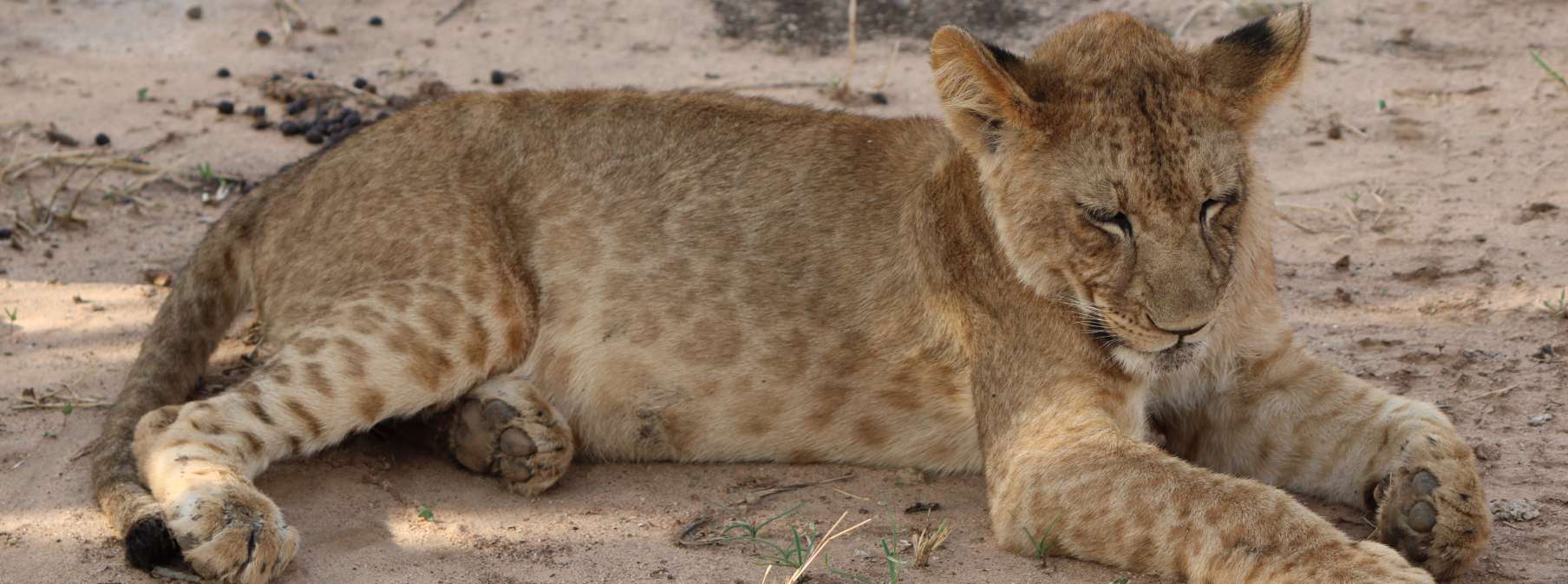
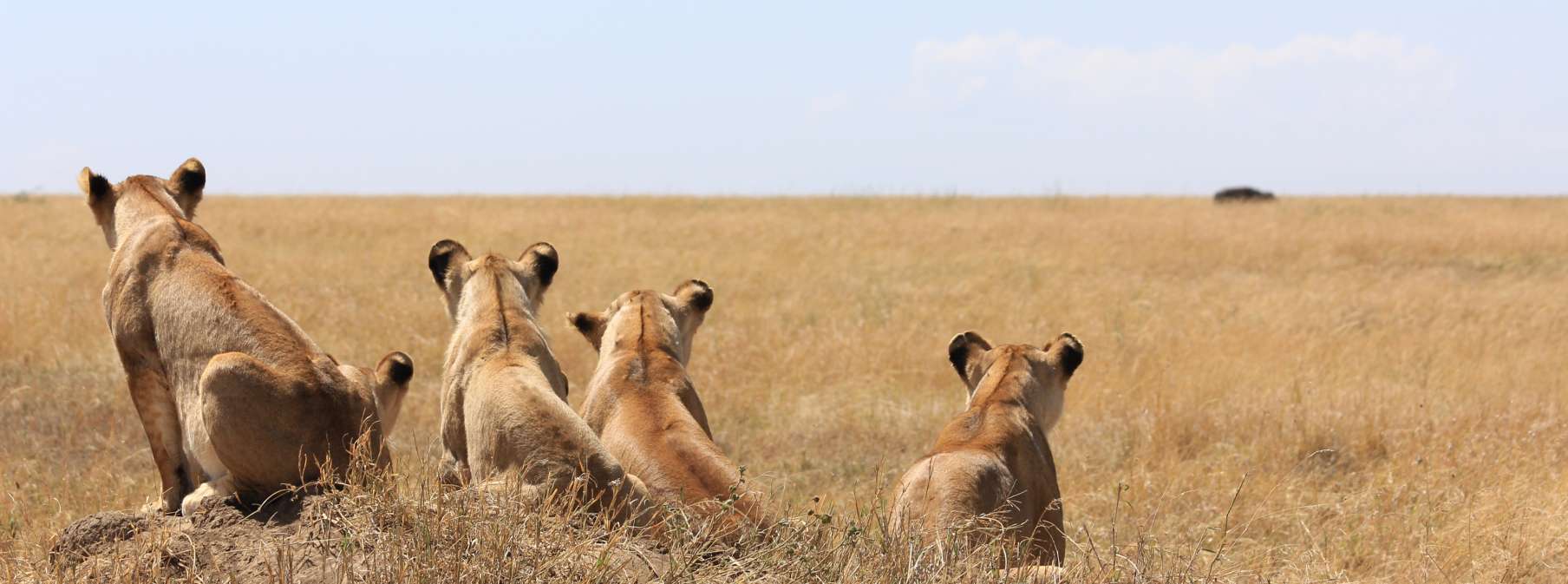
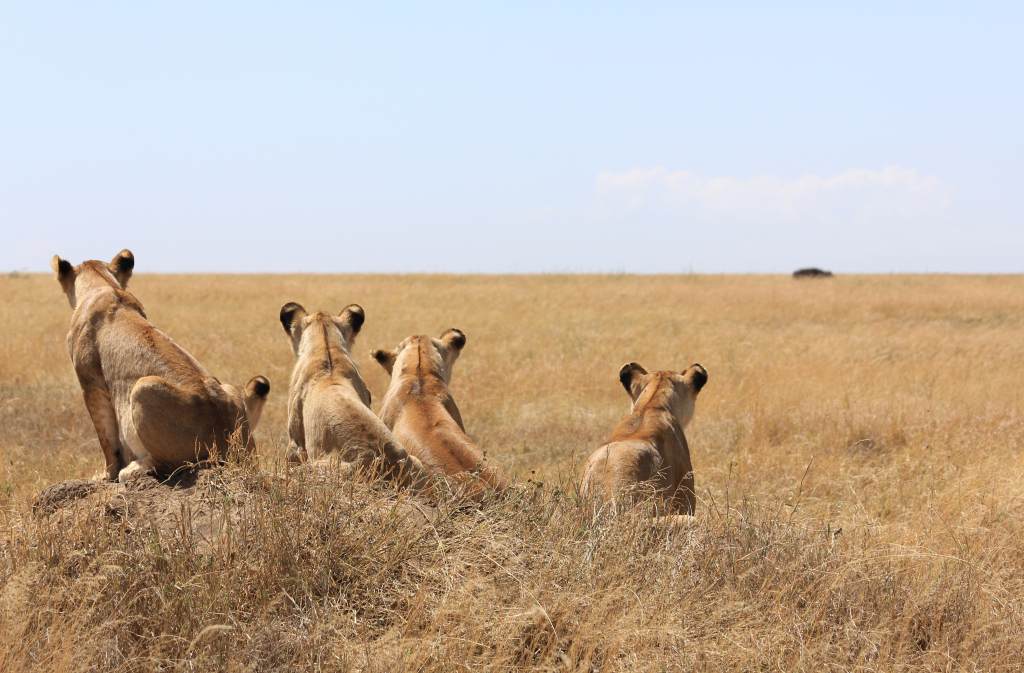
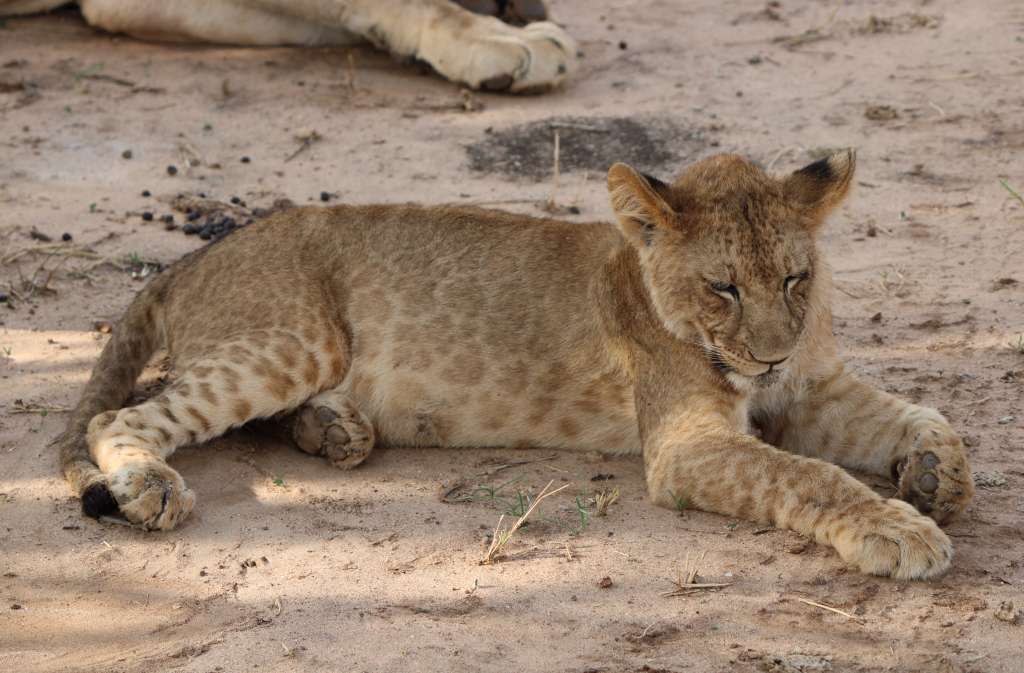
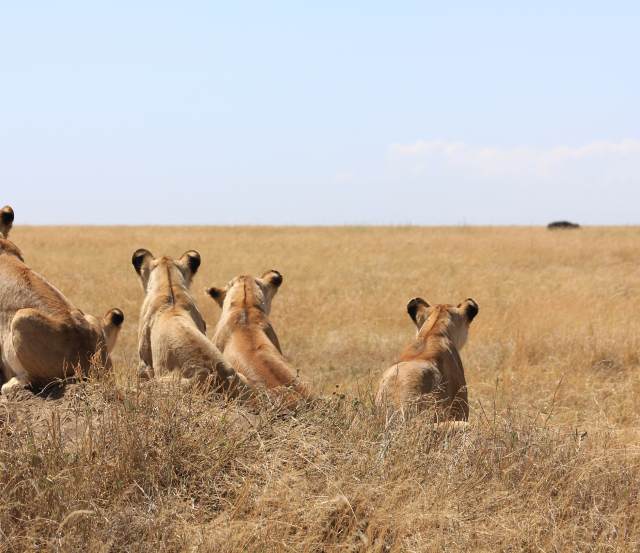
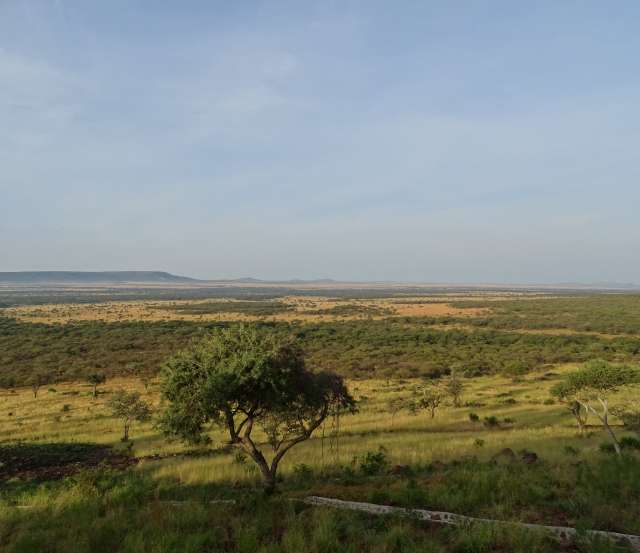
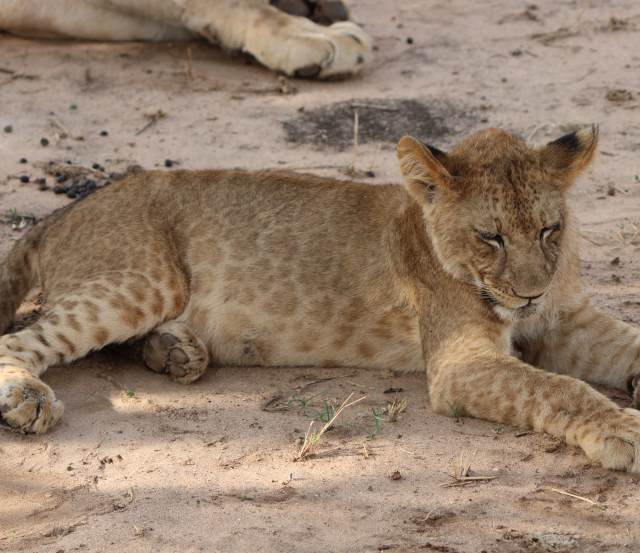
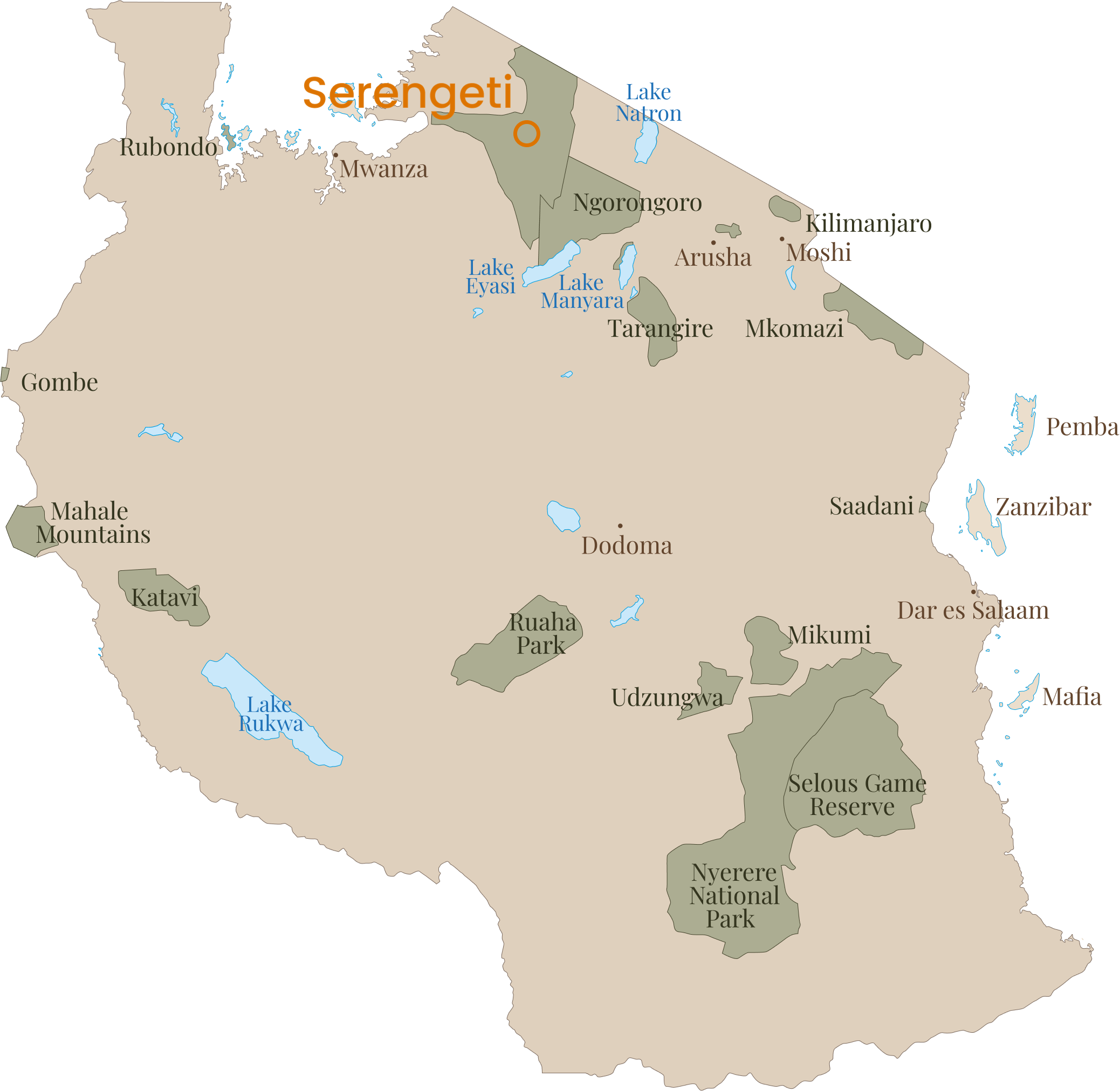
Serengeti National Park covers 14,763 km2. Established in 1951, tt is one of Africa's largest preserved ecosystems that begins in Tanzania and extends into Kenya. Home to a wealth of wildlife in all seasons with around 3,000 lions present almost everywhere.
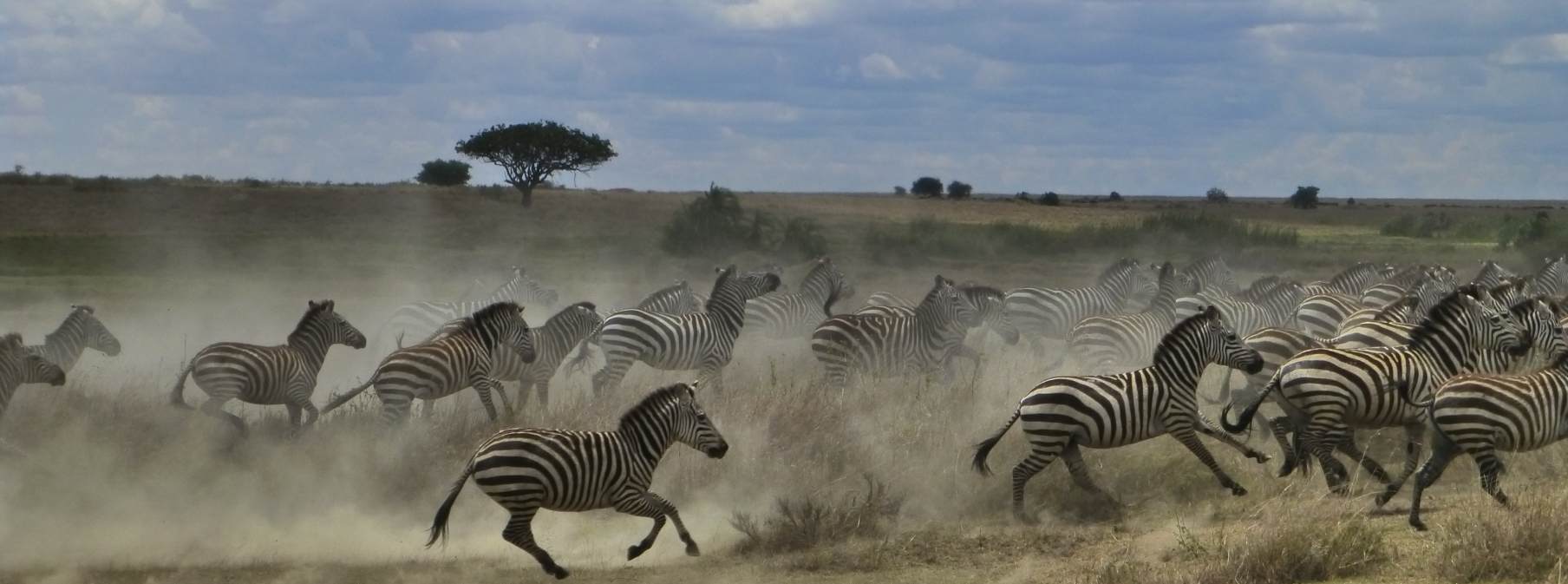
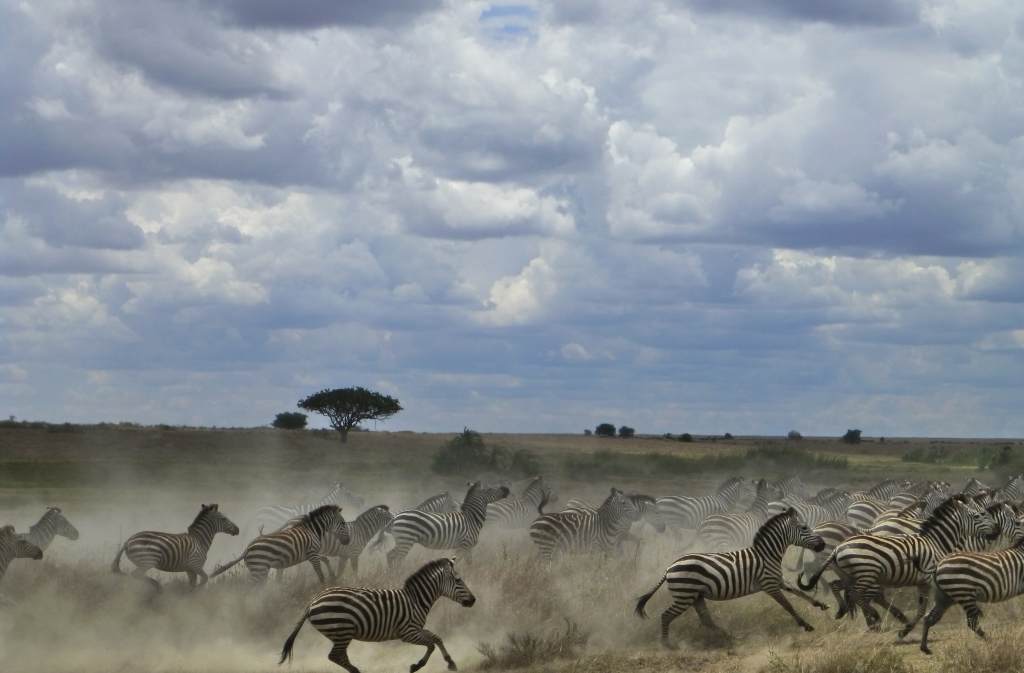
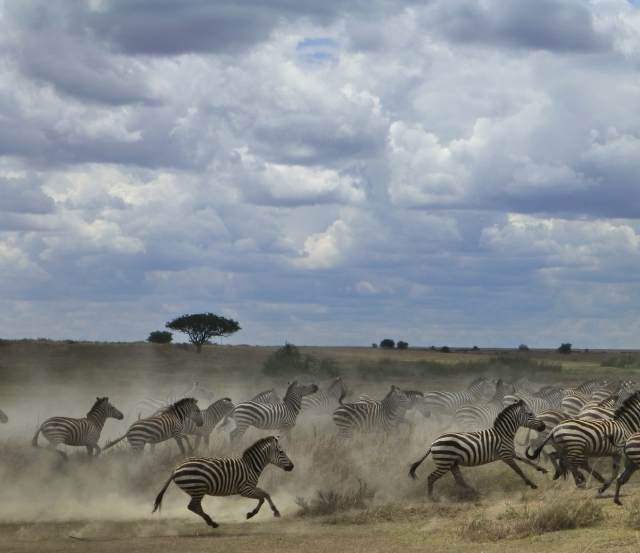
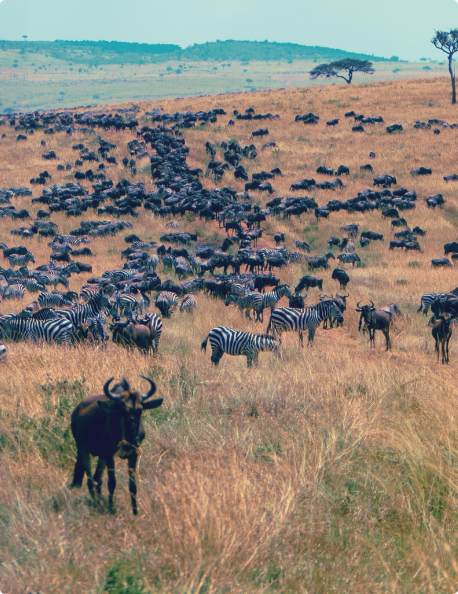
The Great Migration of wildebeest and zebra travels through the Serengeti all year round. From December to February, it is found in the Ndutu region. From March to June, it moves to the centre of the Serengeti.
The Great Migration Wildebeest and zebras move through the Serengeti year-round. From December to February, it is found in the region of Ndutu. From March to June, it moves to the center of the Serengeti. From July to September, it is found in the northern Serengeti, in the Mara region. In October and November, it returns to the center of the Serengeti, and then begins its migration cycle anew.
There are for 4 gates to enter the park by car. It is also possible to use the various airstrips in all parts of the park by bush plane.
A journey to the heart of Tanzania's most beautiful landscapes.
Habitat
& Animals
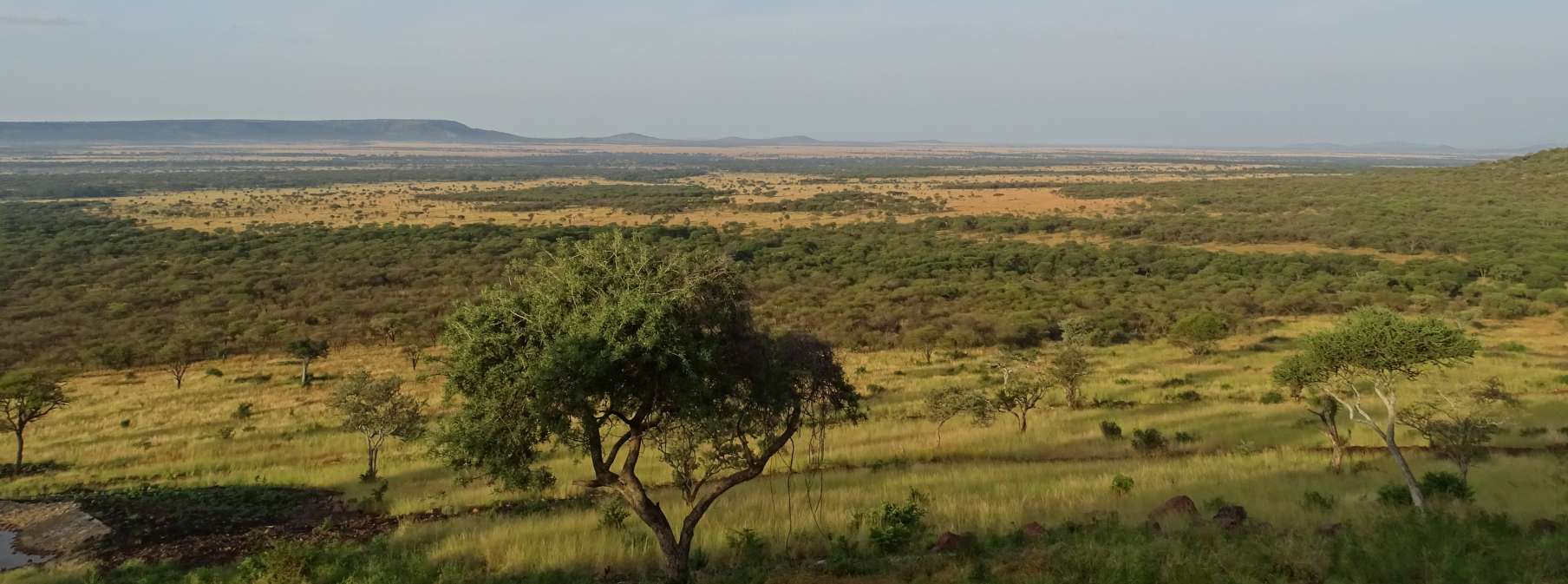
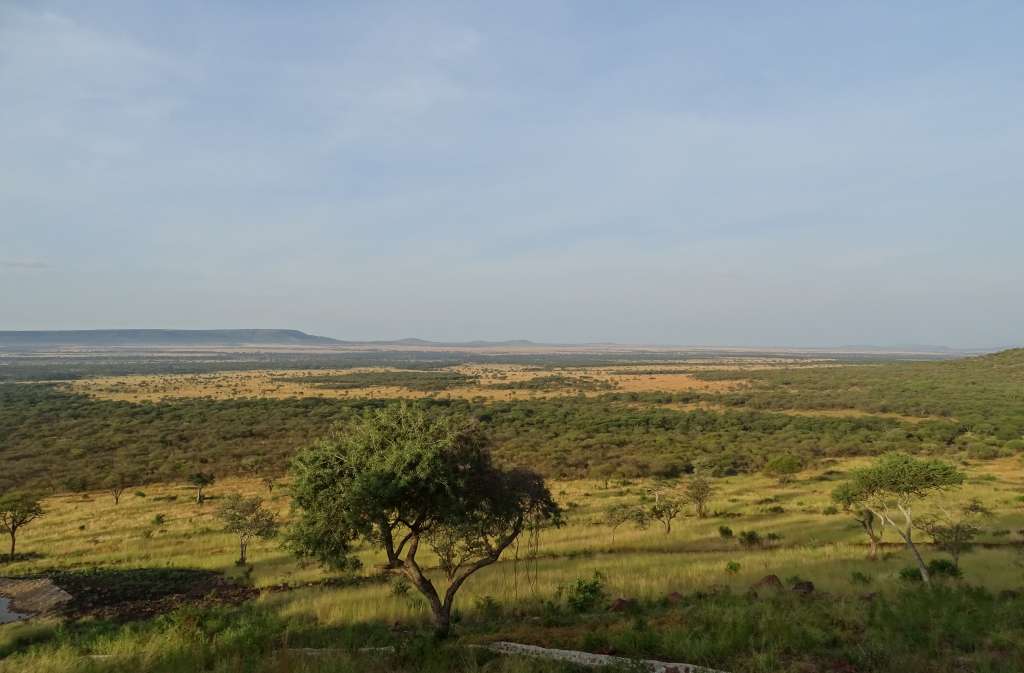
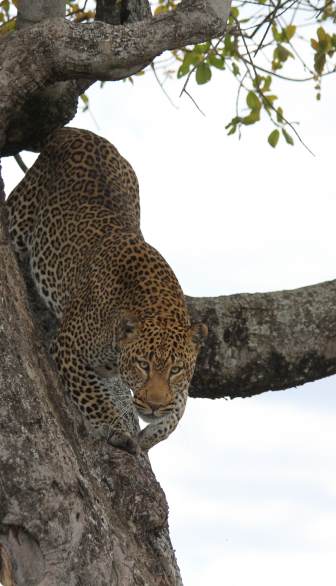
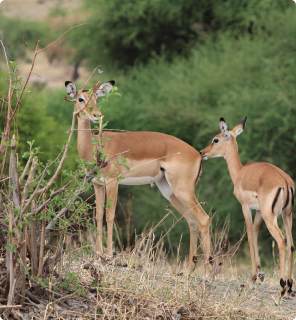
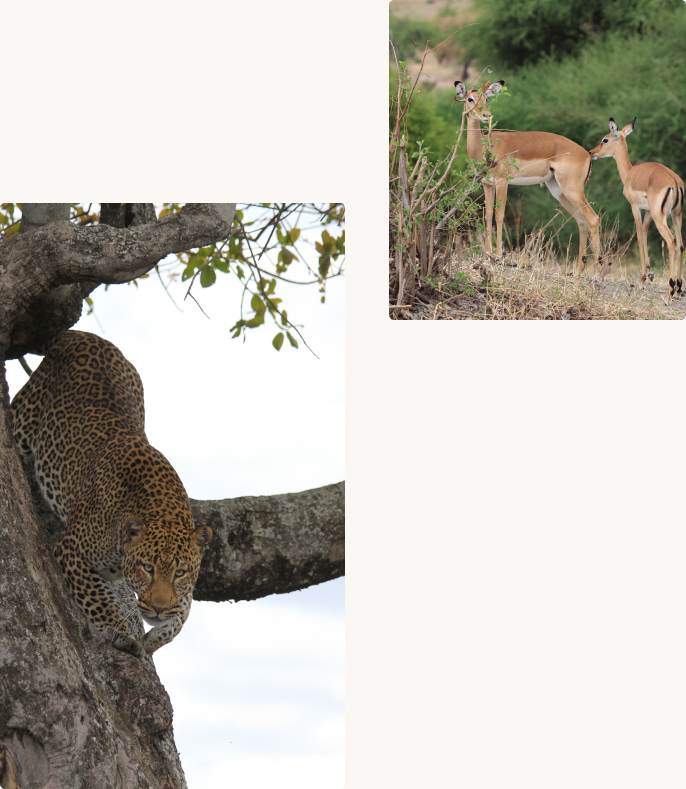
This vast territory is one of the last African ecosystems where the natural cycles of wildlife continue to unfold on an impressive scale. The endless plains of the Serengeti, with rivers and forests in between, provide a diverse habitat for a rich and varied wildlife. The grassy plains are home to large gatherings of wildebeest and zebra, while the woodlands and rivers are home to predators such as lions, leopards and crocodiles.
Look out for:
· Felines
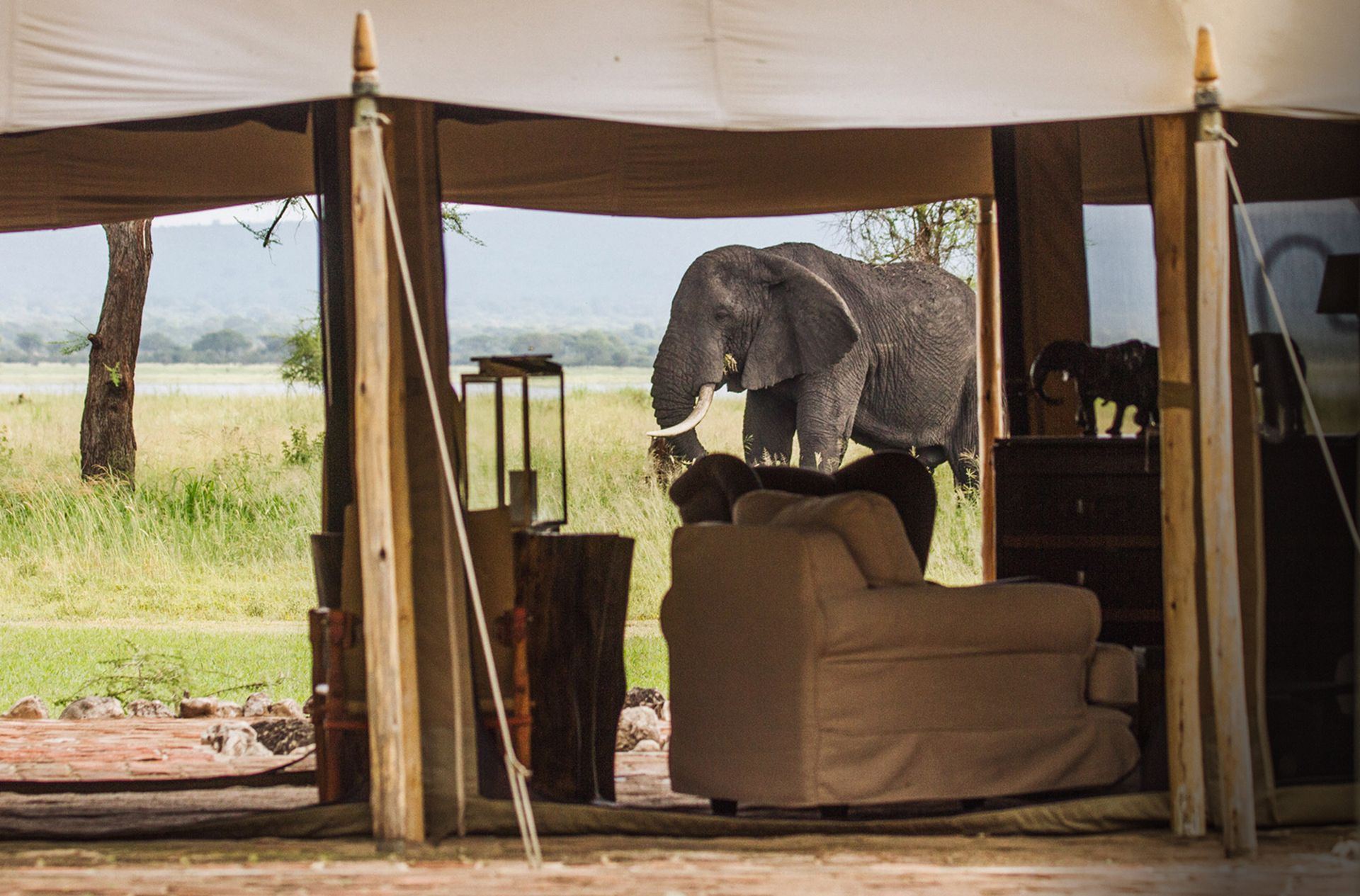
· Elephants
· Wildebeest
· Gazelles
· Zebra
· Giraffes

A journey to the heart of Tanzania's most beautiful landscapes.
THE GREAT MIGRATION
The Serengeti National Park is one of Africa's great preserved ecosystems, famous for the Great Migration, where millions of wildebeest, zebras, and Thomson's gazelles move each year in search of pasture. Their migration follows the rains and covers over 3,000 kilometers. Observing this phenomenon in Tanzania also means to follow the rain, with possible showers.
Predators follow this movement, and the natural cycle of life is maintained. The crossing of the Mara River is particularly dangerous for the herds and is often covered by wildlife documentaries. In the plains of Ndutu, during births, the young become easy prey for wild animals.
Observe the migration in the Serengeti, whether during river crossings or births, reminds us of the importance of preserving these natural cycles and protecting this unique ecosystem.
 4×4 Safari
Cross the Serengeti plains in a 4×4 to see the Big Five and an incredible diversity of animals in their natural habitat.
Hot-air balloon
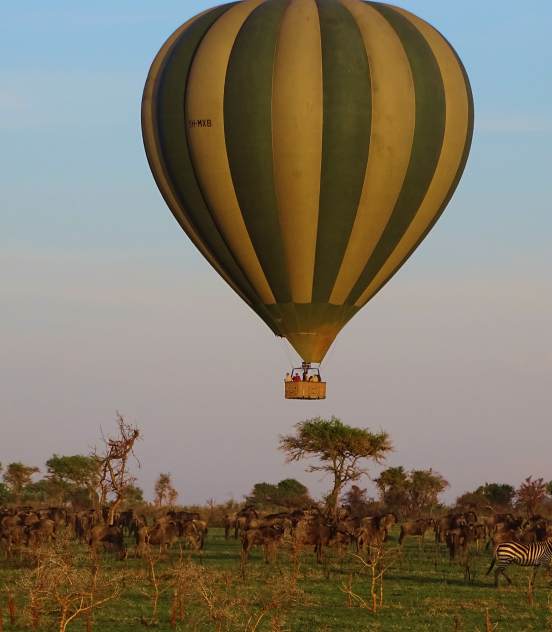
See the Serengeti from the air on a dawn hot-air balloon flight, offering spectacular views of the vast landscapes and wildlife in action.
Witness the great migration
Experience one of the most impressive animal migrations, as millions of wildebeest, zebra and gazelle cross the plains in search of fresh pasture.’
Your highlights
The Great Migration
The endless plains
Seeking out the Big 5
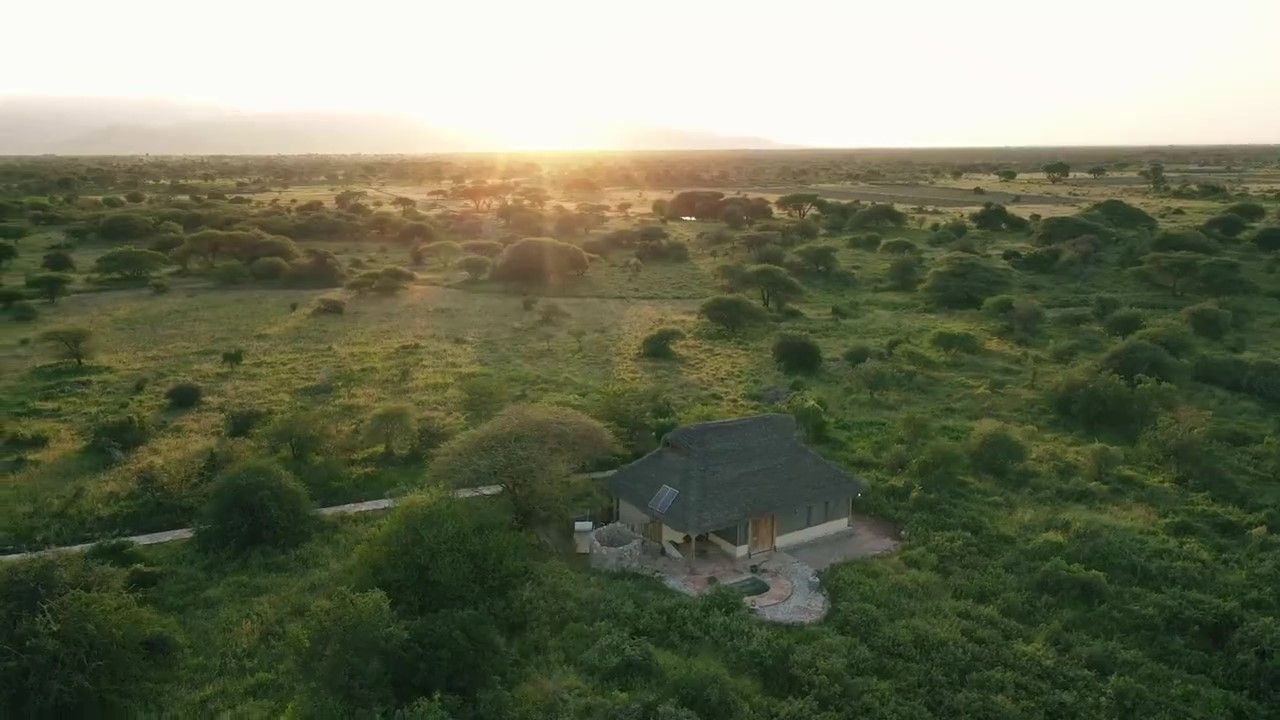
Sleeping inside the national park
Hear the lions roar at night
Tented Camp
Pioneer camp
Four Seasons Serengeti
Sayari Camp

Guide's tip
“The The Great Migration is a unique phenomenon. I especially love bringing you to see it in the Mara region, north of the park. To observe the river crossings, you will need patience. We can sometimes wait for several hours for the first wildebeest to plunge into the water. The trick is not to get too close to the river and to stay well back, only moving forward at the last moment. Once the herd gets going, the spectacle is incredible and well worth the wait. I still get goosebumps after all these years.
Momo, Safari guide

Similar safaris
Explore our travel itineraries and get in touch to plan your tailor-made adventure.
01
02
03
04
Horseback safari
05
06

 Neema House Road, Arusha, Tanzania